
Category
Resin and Vessels
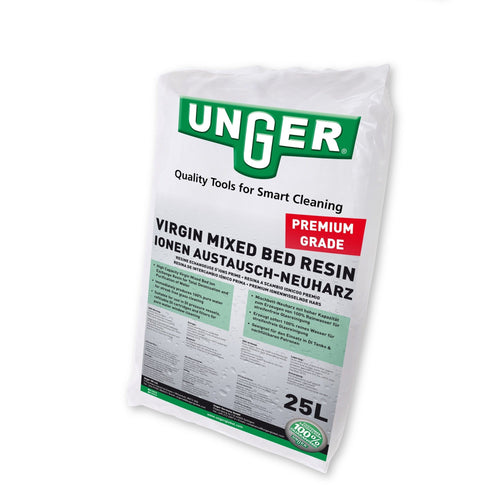
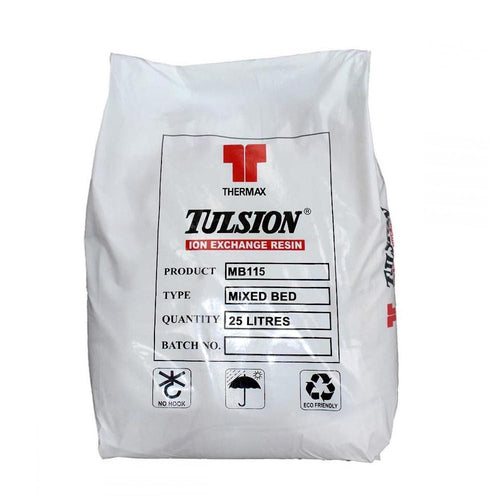
- Deionising resin for pure water window cleaning: mixed bed DI resin in 25 litre bags from FaceLift, Unger and Tulsion MB115.
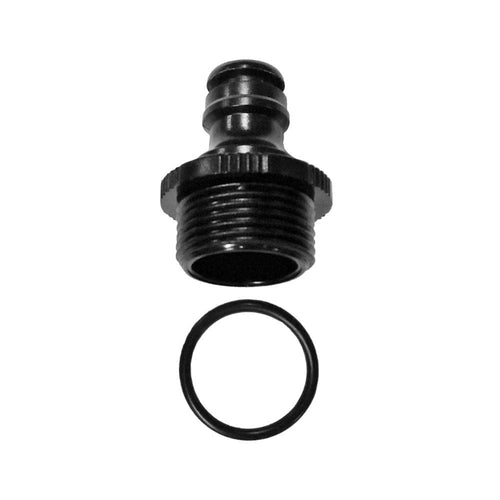
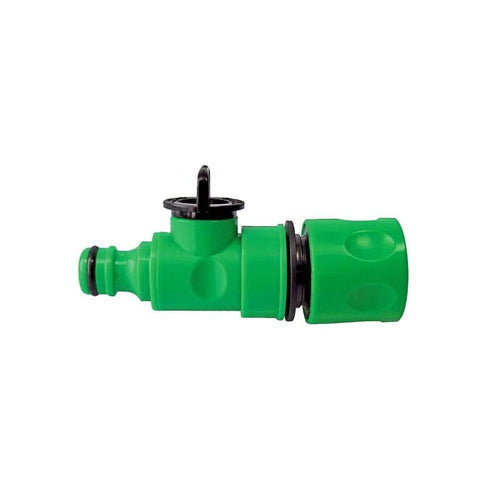
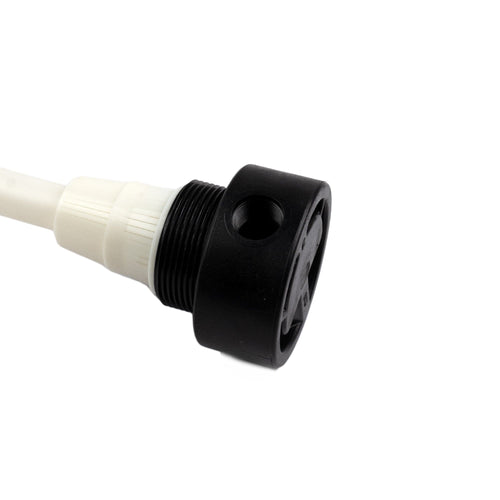
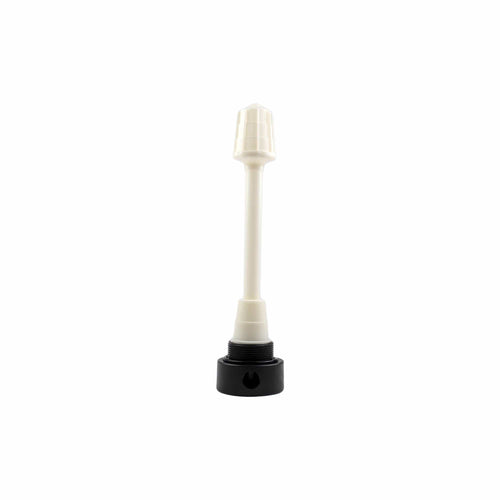
- DI vessels, refills and fittings: 11L and 25L resin vessels, funnels, holders and Hozelock connectors.











Tap water is full of dissolved minerals, and every drop that dries on glass leaves them behind as spots. DI resin takes those minerals out. Run water through a vessel of mixed bed deionising resin and it comes out at 0 ppm, pure enough to rinse a window and leave it to dry spot free.
This collection is the DI stage of a pure water system in one place: the resin itself, the vessels that hold it, and the funnels and fittings for swapping it.
- Resin in 25 litre bags from FaceLift, Unger and Tulsion MB115. All three are virgin mixed bed ion exchange resin, ready blended, and purify down to 0 ppm.
- DI vessels in 11L and 25L sizes: see DI Resin Vessels, plus distribution systems to fit 6.8L, 11L and 25L vessels if you are refurbishing one you already own.
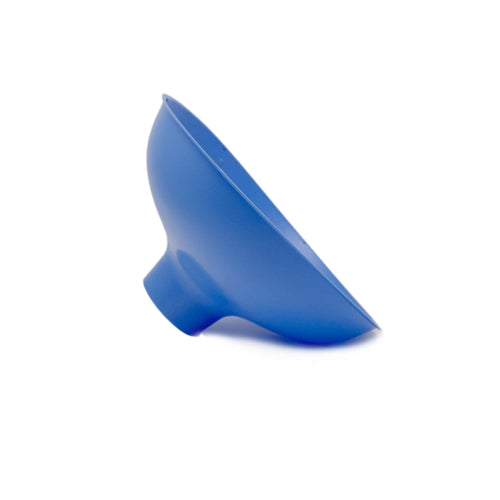
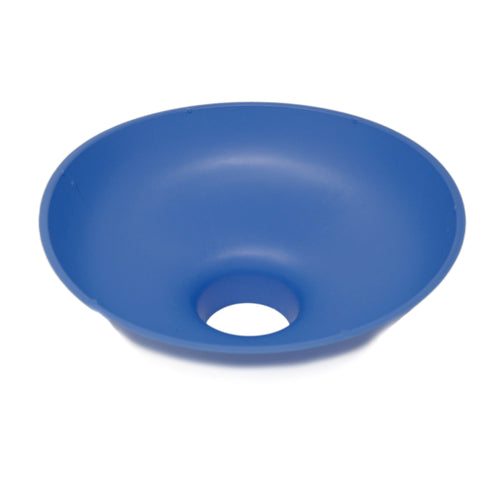
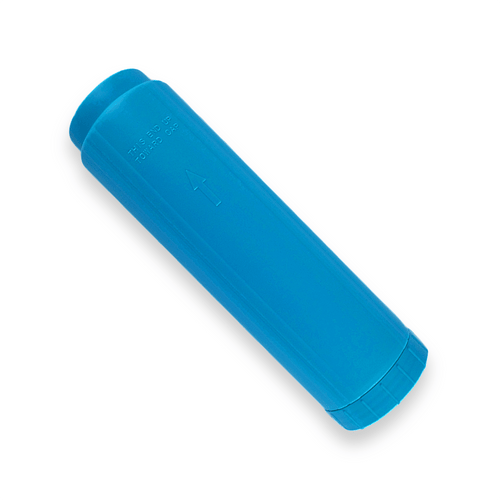
- Refill kit: resin funnels, refillable 10 and 20 inch cartridges, and vessel holders in 4, 6 and 8 inch sizes.
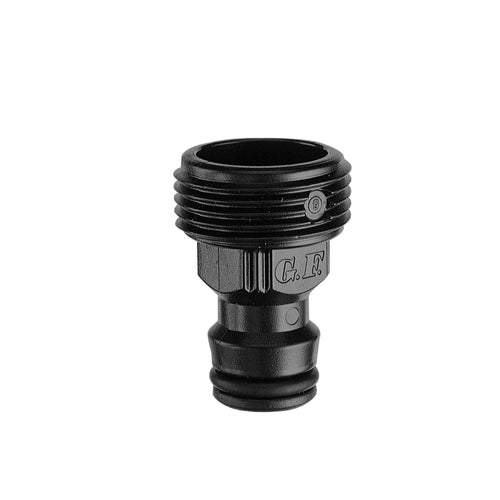
- Fittings: Hozelock male to 3/4 inch threaded connectors in plastic and brass, plus hose connectors and a water flow valve for HydroPower systems.
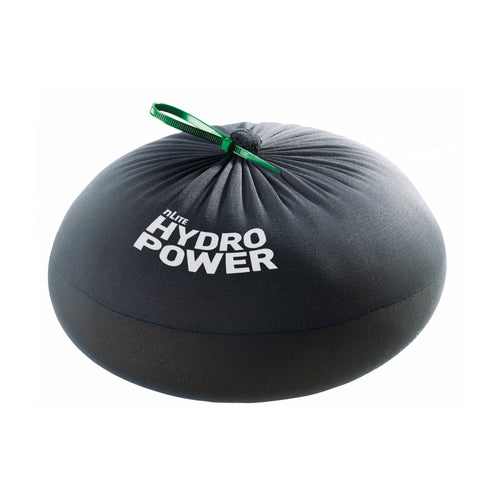
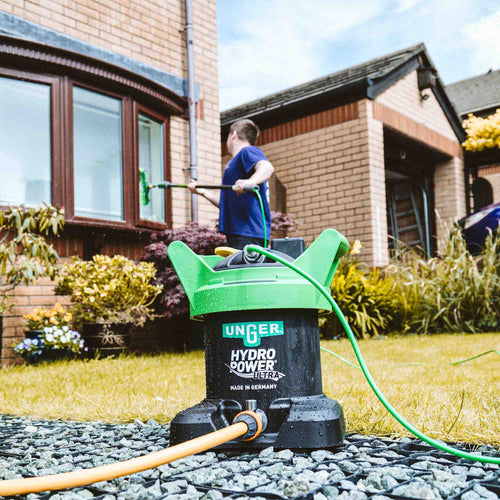
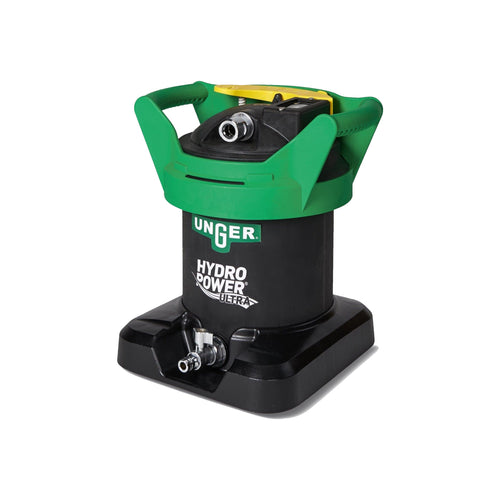
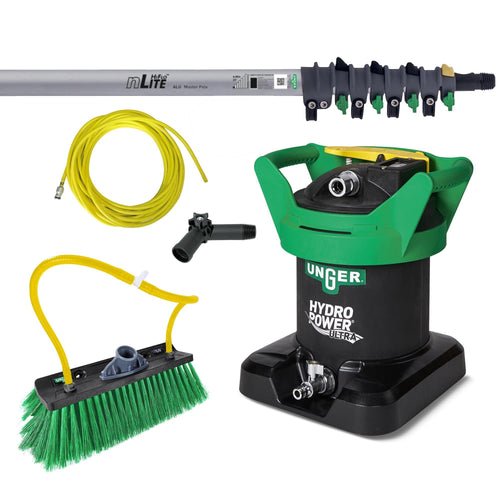
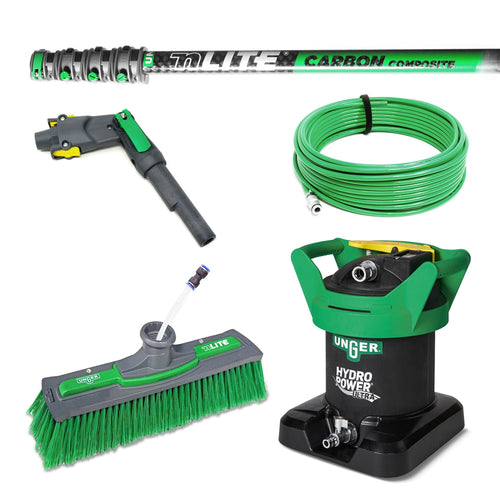
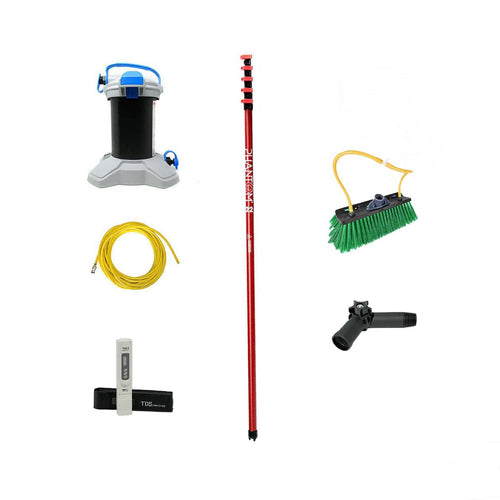
- Complete DI setups: starter kits with a glass fibre or hybrid pole, and the Unger nLite HydroPower Ultra range in 6L and 18L sizes with matching resin packs.
Which route suits you comes down to your tap water. In a soft water area a straight DI vessel can be all you need, and resin on its own stays economical. In a hard water area the resin does far more work and exhausts quickly, so most window cleaners put an RO membrane in front and let the resin polish off the last few ppm, which stretches each bag much further. A Handheld TDS Meter tells you which side of that line you are on in seconds.
Orders over £75 ex VAT ship free by courier. If you want a second opinion before settling on a vessel size or a full system, free engineer technical calls are part of the service, alongside phone, email and WhatsApp support.
Let customers speak for us

Good quality resin to be honest I only buy this product because it's less expensive than the others every penny counts

Seems to work exactly as intended. Appears accurate.

Rolls-Royce of resins so I understand.
Tested with mains water at very hard - 340ppm tds. Immediate reading at output was 000ppm.

Quality product. Fitting the 3/4 to Male requires ptfe tape as there is no rubber washers designed-in for the head and fittings. However, this seems to have been successful and no leaks on first try when pressurised to mains pressure of 3 bar.
Tulsion Resin MB 115 fill went OK, but you need to add water in order to fit the riser tube/head unit without forcing it through the resin.
TDS tested on first flow-through and read 0ppm immediately.

What a star piece of kit. I wish I had realised this years ago. It actually dusts.

Simply the mop out there

Whould of linked the choice of fan jets and not have to buy the full set as you whould not use them all

brill service always great products
I would highly recommend this company ordered and came very quickly

Best soap I’ve used 👌🏻
Excellent service massive stock
Always very helpful

I hook it to my belt along with a brush and use it for when I'm very low on clothes and/or water.
I am thinking of getting another

Excellent clamps. Hard wearing and well designed. I broke number 2 clamp hitting the edge of the tile cleaning over an extension. Window Cleaning Warehouse sent me a replacement very quickly. Many thanks.
Now it’s back to using my Phantom 22 carbon pole with their excellent clamps.

Excellent pole very sturdy and extremely light weight.

Excellent product does exactly what it says, gives the windows a really good clean.
What customers think about the store
This store offers a wide range of quality window cleaning and exterior cleaning products with fast, reliable delivery. Customers praise the excellent customer service, knowledgeable staff, and competitive pricing. Many appreciate the helpful advice, quick resp...
AI-generated from customer reviews.
SIGN UP TO OUR NEWSLETTER
Sign up to our newsletter for exclusive offers, advice and updates.
