



Category
Cloths and Scrim
- Microfibre cloths, scrim and chamois: for detailing, drying frames and the final polish on glass
- Singles or bulk packs, from Unger, FaceLift, Moerman, Maykker and WCW


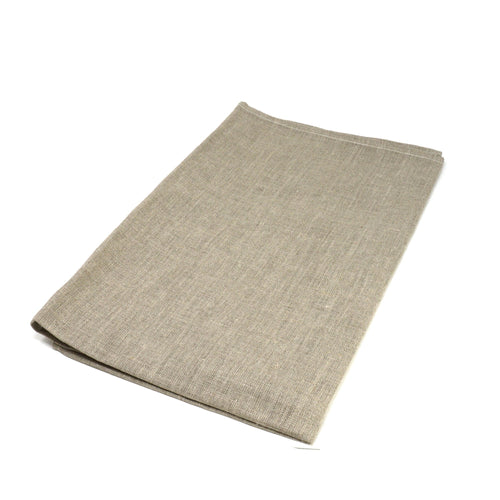

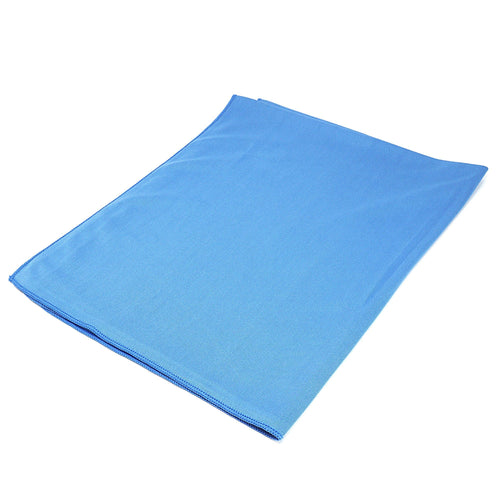
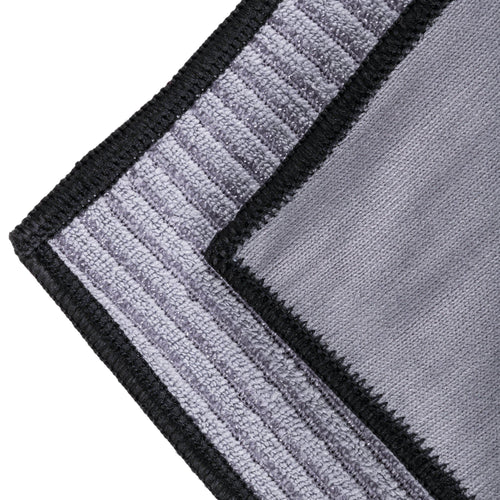
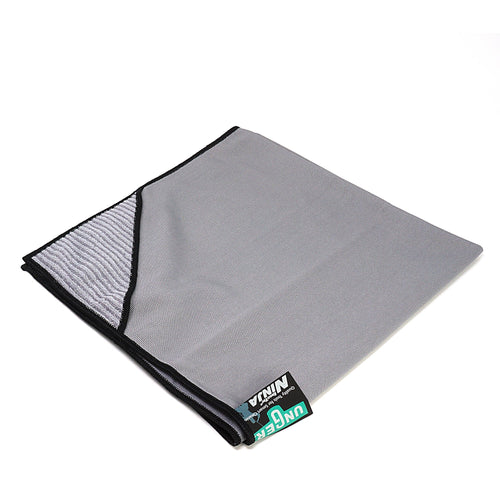
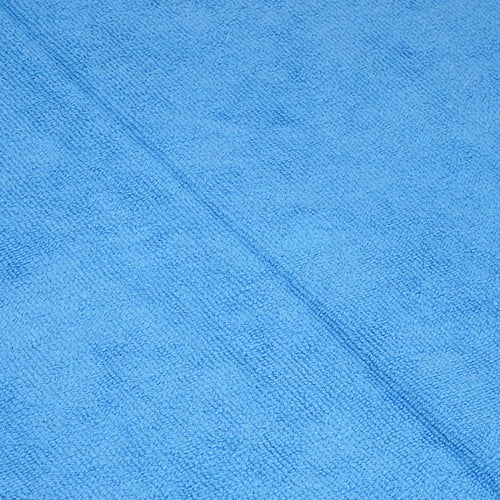
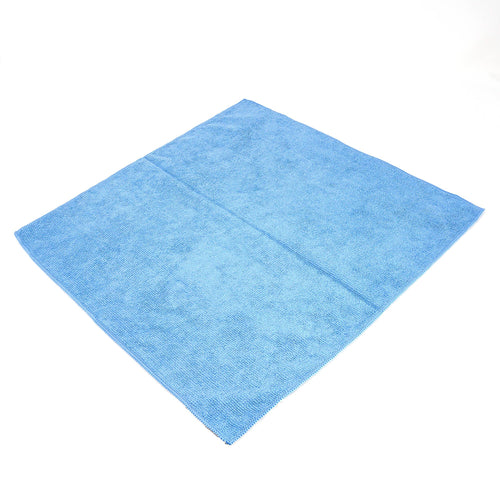



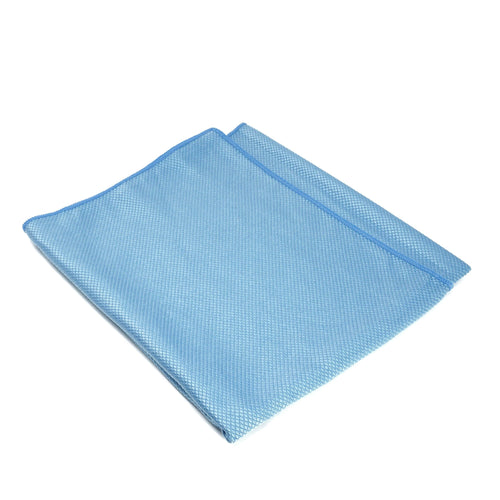
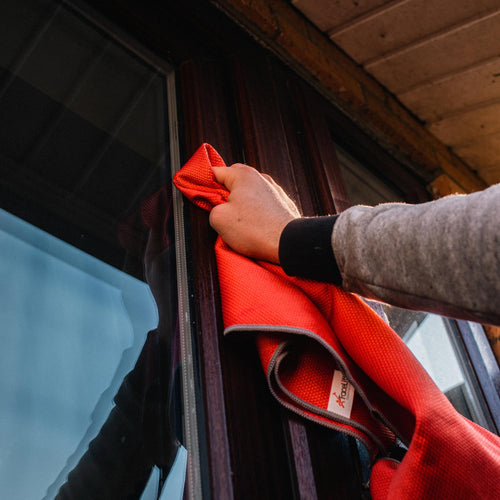
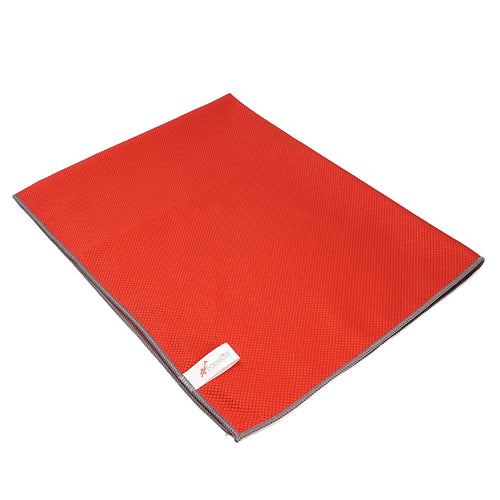



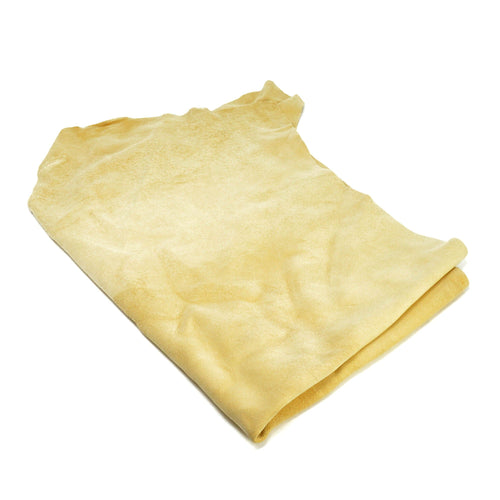
The cloth decides whether a window looks finished. Everything before it gets the dirt off. The cloth takes the last of the water out of the corners and off the frame, and it is the thing you get through fastest.
This is the traditional and detailing side of the kit: microfibre cloths, linen scrim, sheepskin chamois and thicker sill cloths, from Unger, FaceLift, Moerman, Maykker and our own WCW products. Most come as singles or in multi packs.
- Microfibre cloths for general wiping, detailing and buffing out smears. Sizes from 40x40cm up to 80x60cm, some with abrasive corner pockets for spot scrubbing.
- Scrim, the linen cloth traditional cleaners polish with. Prewashed at 80x75cm if you want it ready to use, unwashed at 92x92cm if you would rather buy bigger for less.
- Sill cloths, thicker and more absorbent, for frames and sills where a thin cloth just moves water about.
- Chamois, natural sheepskin, still the choice for some traditional work.
- Cloth clips so the cloth sits on your belt rather than in a pocket.
Choosing between them: microfibre absorbs the most and is the easiest to learn on, scrim gives the best final polish on plate glass once you have the knack, and chamois sits between the two. Plenty of cleaners carry both, microfibre for the bulk of the water and a scrim for the finish.
Buying for a crew or a van, the packs are where the saving is. Most cloths here come in tens, and the FaceLift microfibre goes to 100. Free courier delivery on orders over £75 ex VAT.
For the rest of the traditional setup see Buckets and Soaps and Solvents.
Let customers speak for us

Great bit of kit for difficult to reach areas that can not be got at on a ladder

I really like this brush . I covers you in all areas, great fir the sills and the blue bristles get right into the awkward areas. Great product.

Brilliant product. Have shared it with my family as 2 x 5L containers would last me a life time! Everyone has commented how clean my windows look in the conservatory. No smears which is wonderful. Thank you WazrGlide

Good quality window scraper, happy with purchase.

Fast delivery. Really pleased with the product overall. Had tried a cheaper one from elsewhere and this one is so much more superior. Would definitely recommended
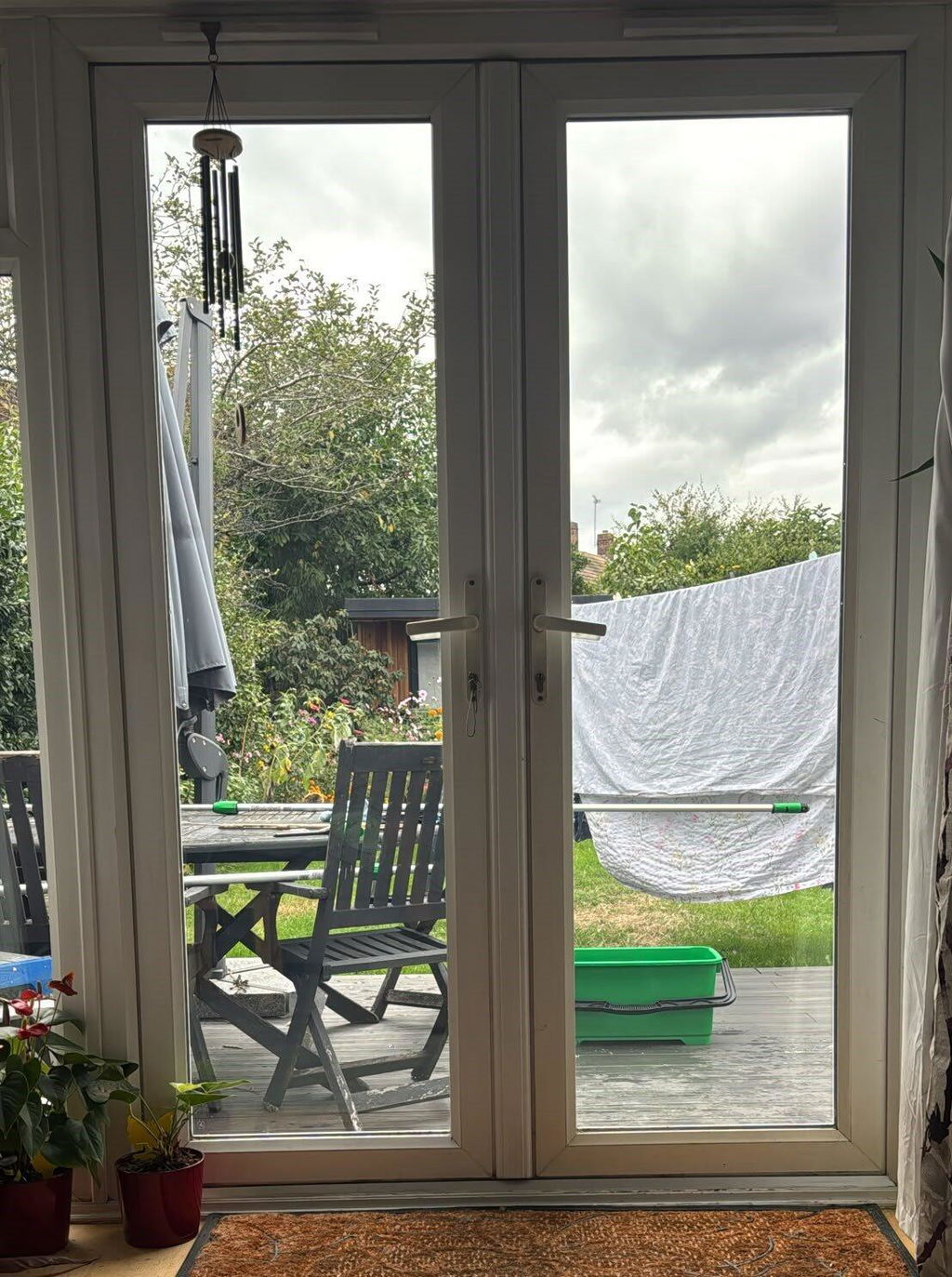
Very Happy with this Kit, I also purchased a longer reach pole to do my rear windows as it's awkward to get a ladder up. Cleaned all my windows inside & out and the difference was fabulous. My window cleaner had gone AWOL so for the price of this kit I thought I'd start doing the windows myself. I did tightened the squeegee a bit amore s it came off a few times.
Delivered promptly, I will order a smaller squeegee for little windows at some point.

Perfect for standard U-shaped gutters
This pole system is brilliant. I bought it along with the ProGutter® Half Round tool for getting moss and leaves out of our gutters - a good example of having the right tools for the job and it's easy. In the past, I've paid so-called professional gutter tradesmen lots (lots!) of money to clear our gutters but they've let us down time and again with incomplete clearance of debris and general laziness. No more! This pole is sturdy, great in quality and the joints are secure. The Half Round tool is absolutely perfect for U-shaped gutters - anyone can use this system and it's a bargain.

great brush works great on Windows

excellent poll and excellent brush great design well Thought through tubing coming out of Bottom of pole is protected by bottom of Pole great design

Great on first cleans. Takes that hazy dirty look of the glass. Totally recomend

Quick and easy to attach, covers a good area and seems to help remove tough marks on the windows easy enough.

Superb towel, more of a ledge and frames towel than detailing cloth, great all the same 👍

Brilliant price with speedy delivery
Thanks

Amazing quality and works wonders
What customers think about the store
This store offers a wide range of quality window cleaning and exterior cleaning products with fast, reliable delivery. Customers praise the excellent customer service, knowledgeable staff, and competitive pricing. Many appreciate the helpful advice, quick resp...
AI-generated from customer reviews.
Email Newsletter
Sign up to get the latest WCW news
